“We want students to feel supported, but we also want them to grow into strong, capable young women.”
Building a Culture of Kindness, Growth and Connection at Collegiate
At St Michael’s Collegiate School, student wellbeing is not treated as a standalone program — it is woven into everyday school life.
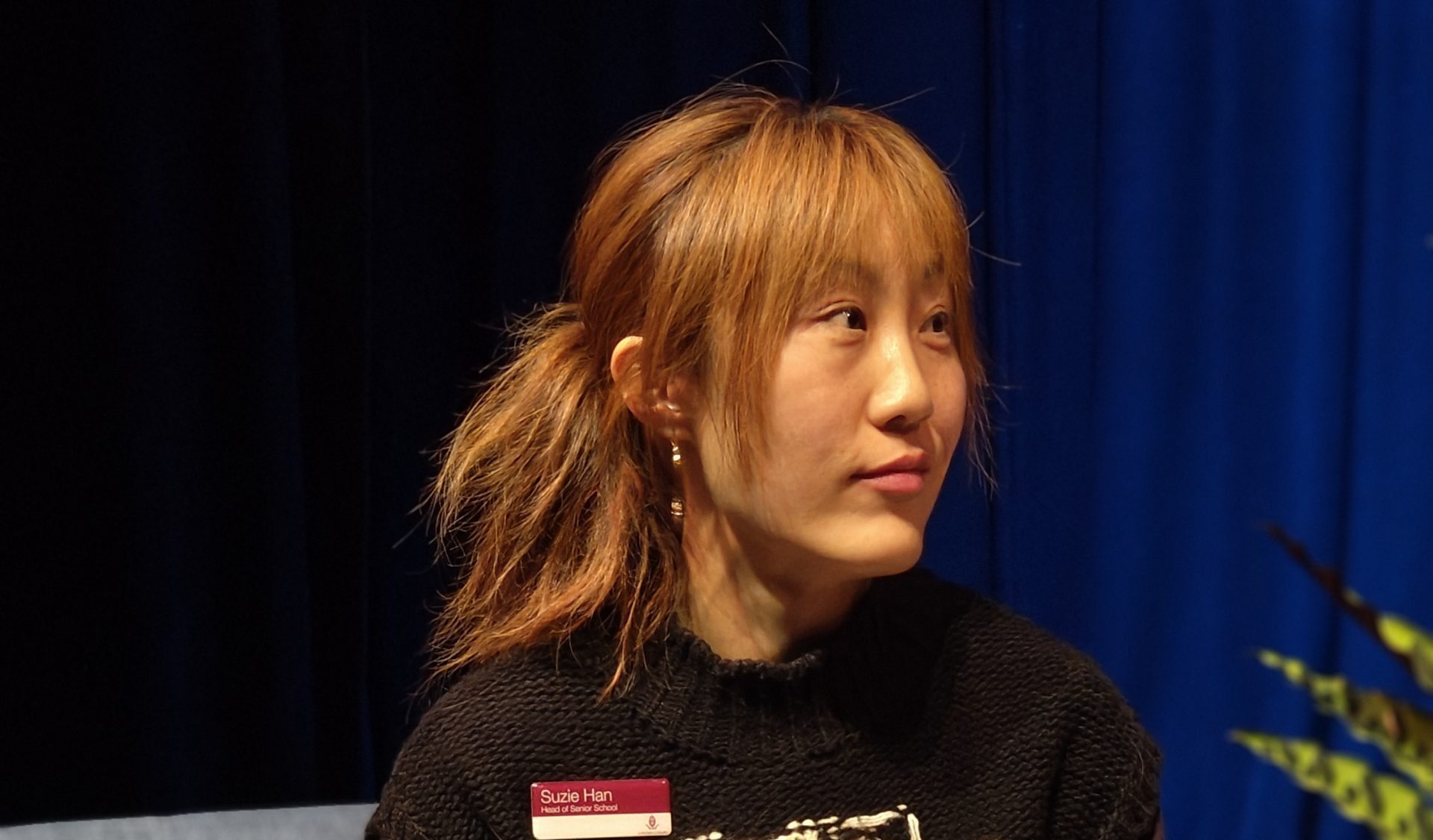
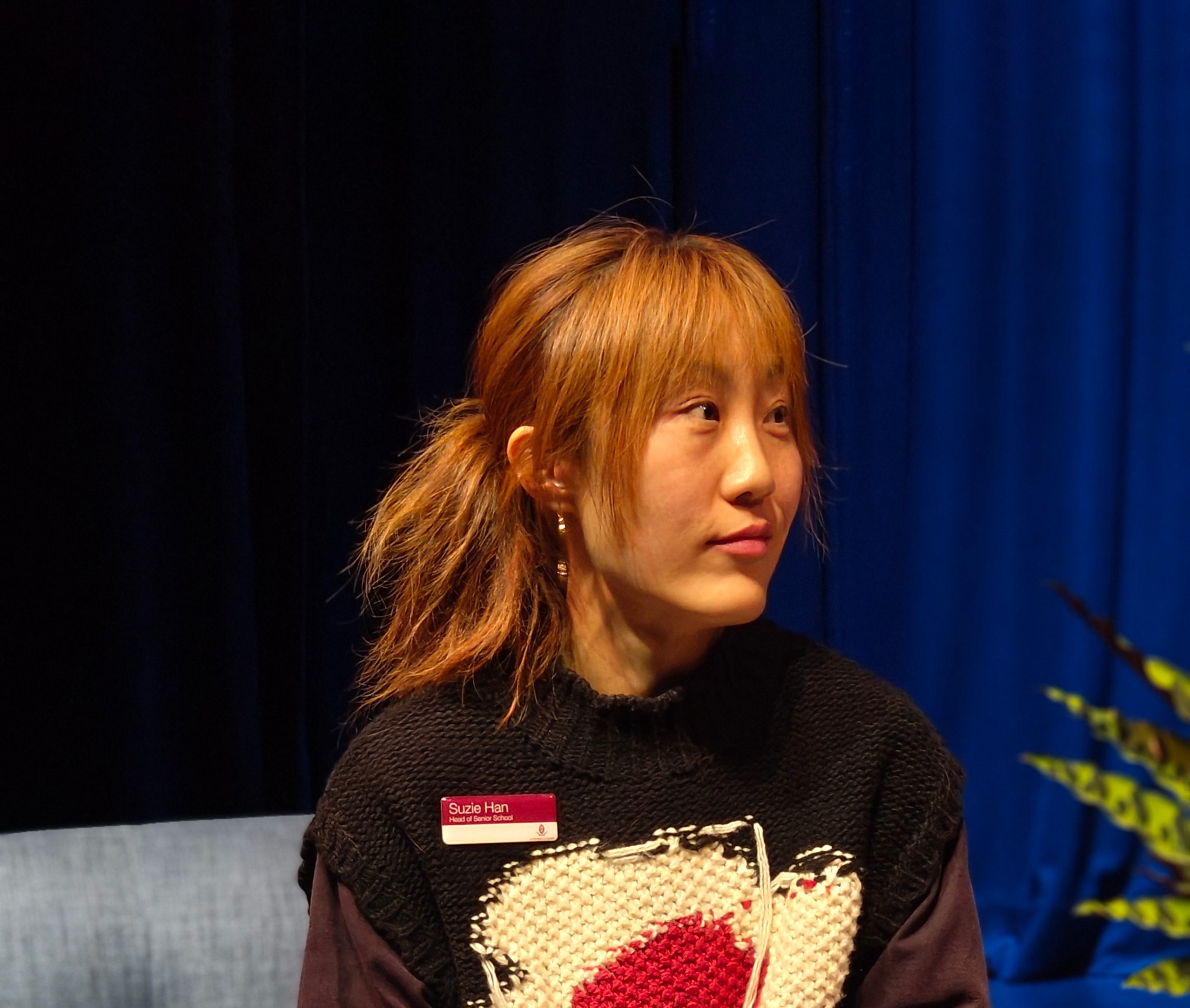
Head of Senior School, Suzie Han, believes the strongest school cultures are built through relationships, trust and helping students develop the confidence to navigate challenges independently, while knowing support is always there when they need it.
We spoke with Suzie about friendships, wellbeing, and what makes the culture at Collegiate unique.
Q: How does Collegiate support student wellbeing in everyday school life?
Suzie Han:
Wellbeing is part of everything we do. It’s not separate from learning or relationships — it’s embedded in the culture of the school and the way we interact with students every day.
We talk openly about friendships, kindness, resilience and how to navigate challenges. Sometimes that happens through formal wellbeing programs and workshops, but often it’s in the everyday moments — conversations in the courtyard, checking in with students, noticing when someone doesn’t seem quite themselves.
Because we are a relatively small school, we know our students well. We notice changes. If a student who is usually with friends is suddenly on their own, or if someone seems unhappy, we will gently check in and ask if they are okay.
That relationship-building is incredibly important. Students need to know there are trusted adults around them who genuinely care.
Q: What is Collegiate’s philosophy when it comes to friendships and social challenges?
Suzie Han:
We want students to feel supported, but we also want them to grow into strong, capable young women.
Friendships are an important part of growing up, and sometimes friendships change or become complicated. Our role is not to remove every challenge for students, because learning how to navigate relationships is a life skill.
We try not to jump in too quickly and solve problems for students. Instead, we guide them, listen to them and help them build the confidence and skills to work through situations themselves.
For senior girls especially, if adults immediately take over, it can unintentionally make students feel powerless — as though they are not capable of resolving challenges on their own. We want students to know we are here as a sounding board and support system, while also helping them develop resilience and self-awareness.
Q: How does Collegiate help new students feel connected?
Suzie Han:
Connection starts from the moment a student arrives.
Every new student is paired with a buddy, and we have a structured induction process with multiple check-in points throughout Term 1. We meet one-on-one with students, gather feedback from teachers and communicate closely with parents to ensure students are settling in socially and academically.
We also encourage students to build multiple friendship groups through co-curricular activities, sport, 9ASPIRE and 10Connect programs, and other school opportunities.
That’s important because life is made up of different relationships and communities. You might have one group you play sport with, another group you study with, and another group you connect with creatively. Helping students develop those broader social connections gives them confidence and resilience.
Q: What role does kindness play in the culture of Collegiate?
Suzie Han:
Kindness is non-negotiable.
Students do not have to be best friends with everyone, but they do need to treat each other with respect and compassion.
Part of growing up is learning how our words and actions affect other people. Sometimes young people can be unkind without fully understanding the impact of their behaviour. Our role as educators is to guide students, help them reflect and support them to learn from mistakes.
We work very hard to create a culture where students feel safe, included and respected. When behaviour crosses the line into unkindness, exclusion or bullying, we address it directly and thoughtfully.
At the same time, we approach these situations with empathy and understanding. Young people are still learning. We want students to develop self-awareness, emotional intelligence and integrity — skills that will serve them long after school.
Q: What makes the Collegiate culture distinctive?
Suzie Han:
I think there is a genuine sense of community here.
Students know they are seen and known by staff. We walk around the school, talk to students, ask about their day and build those relationships over time. That trust matters because when students are struggling, they know there is someone they can turn to.
We also talk a lot about responsibility to community. Every student contributes to the culture of the school. We remind students that kindness, integrity and compassion are everyone’s responsibility — not just the responsibility of teachers.
Culture is never something you “finish.” It requires ongoing conversations, reflection and consistency. But I’m really proud of the culture we continue to build at Collegiate, and the way our students grow through both the joyful moments and the challenges.
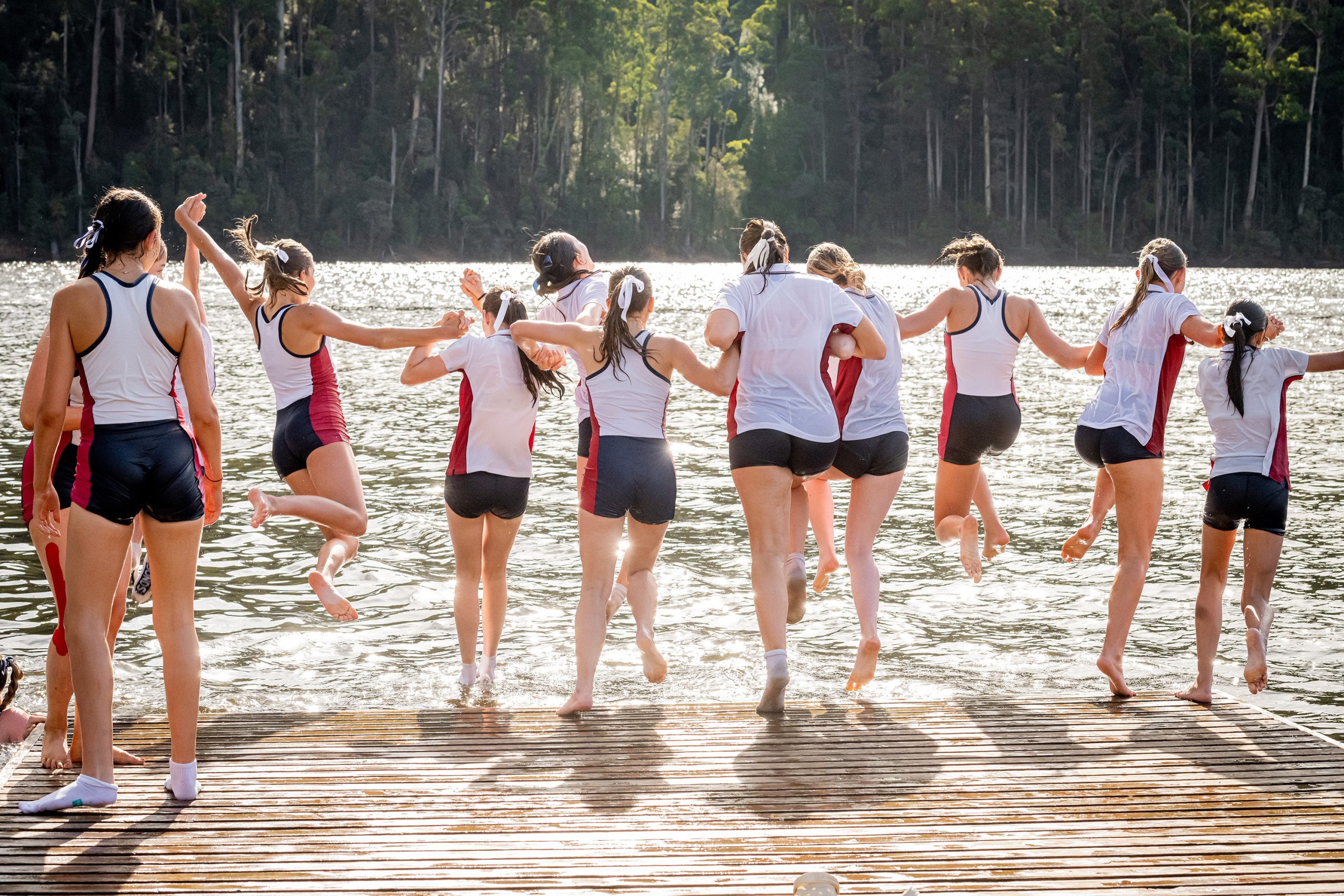
“We try not to jump in too quickly and solve problems for students. Instead, we guide them, listen to them and help them build the confidence and skills to work through situations themselves.”