1800
1800
Dean Dundas
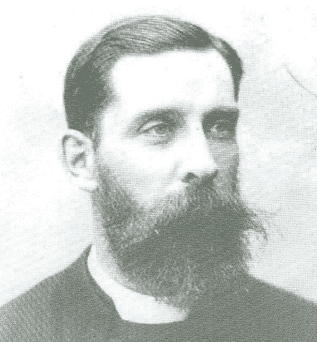
At the end of the 1880s the population of Hobart was approximately 25,000 and growing both by birth and immigration. Only six schools served a student population of approximately 3000. Dean Dundas controversially proposed a Sisterhood should undertake women’s work in the Diocese. The need for social and educational work in Tasmania was eventually recognised and the Dean and Bishop Montgomery ‘sold’ the Sisterhood to the Diocese for general ‘home mission’ work. The Sisters had other ideas, though and were determined that their role would be in the creation of a school.
1890
Sister Phyllis
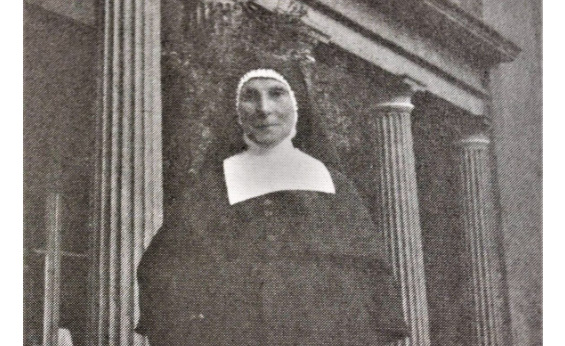
Sister Phyllis CSC (Jemima Elizabeth Mary Stevens, 1855 – 1940) was born in Suffolk and had been well educated. When Sister Phyllis took the reins of Collegiate in 1895, its course was well and truly determined. She was impassioned with the idea of a really good ‘academy’. Although tiny in stature Sister Phyllis was huge on ambition. Standards, tone and success were hugely important. Sister Phyllis was clearly in charge.
1892
The Sisters arrive in Hobart from England
At the end of the 1880s the population of Hobart was approximately 25,000 and growing both by birth and immigration. Only six schools served a student population of approximately 3000. Dean Dundas controversially proposed a Sisterhood should undertake women’s work in the Diocese. The need for social and educational work in Tasmania was eventually recognised and the Dean and Bishop Montgomery ‘sold’ the Sisterhood to the Diocese for general ‘home mission’ work. The Sisters had other ideas, though and were determined that their role would be in the creation of a school.
1893
The Collegiate School
The name ‘The Collegiate School’ was adopted on 30 July 1893. Bishop Montgomery visited the School and enrolled his own sons. By the end of the same year there were 67 students on the register.
1895
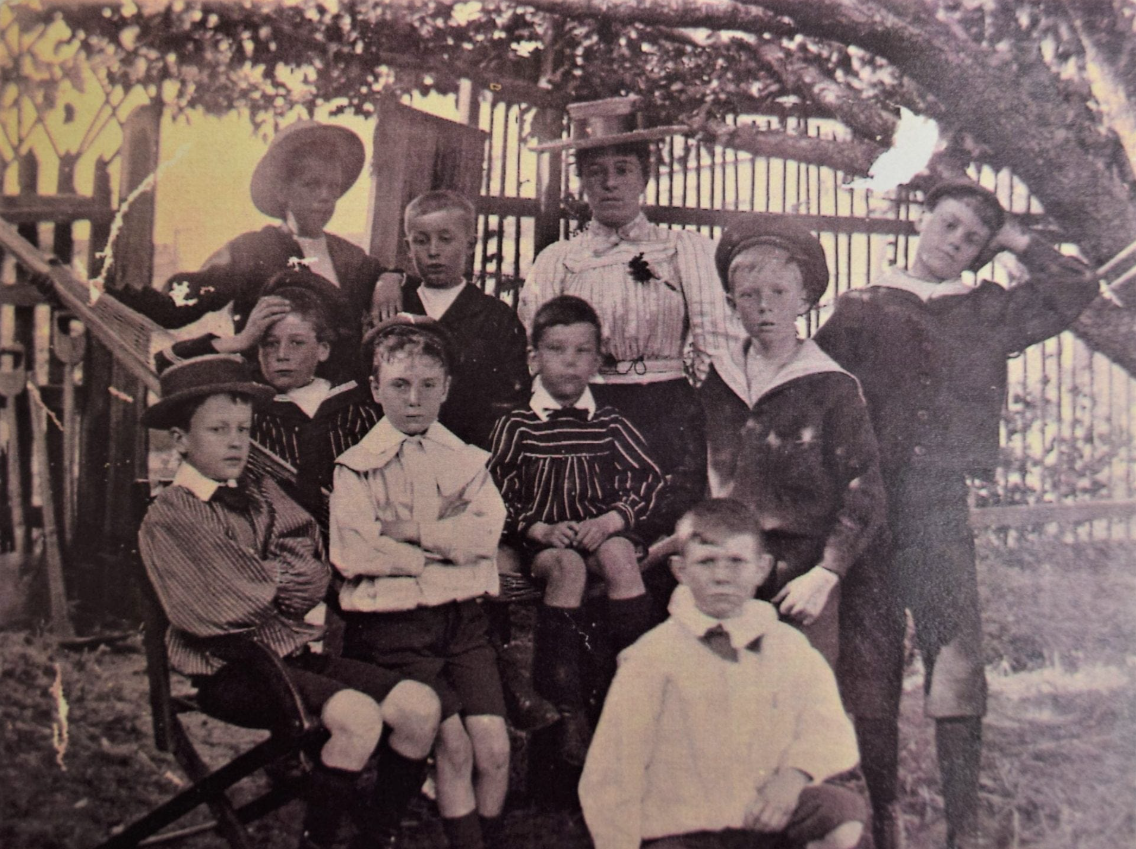
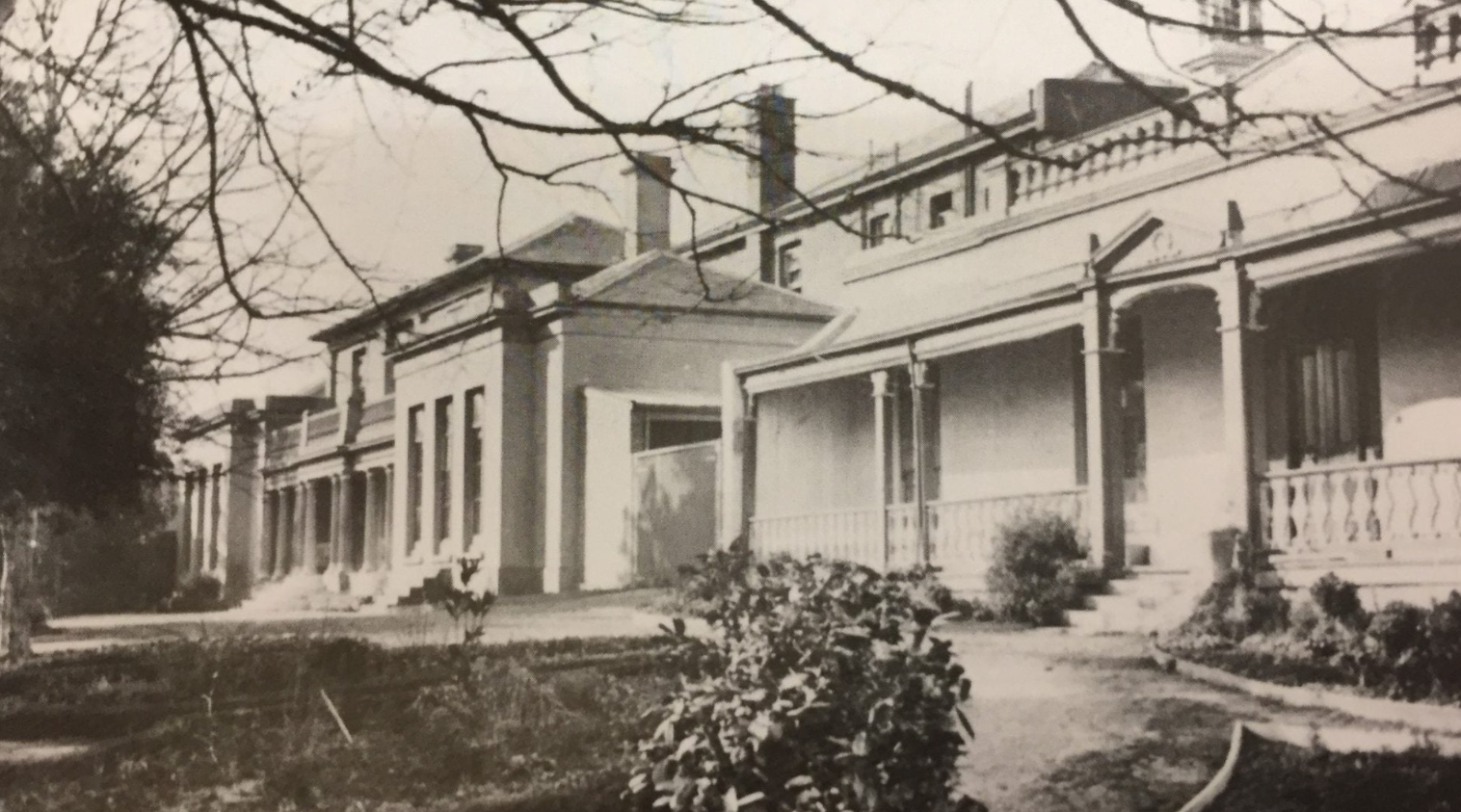
Sister Phyllis decided the School would move from St David’s and be established in its own right at Stephenville, one of the most gracious buildings in Hobart and previously the home of the Hobart Ladies’ College. With the Bishop’s approval, Mrs Montgomery arranged the mortgage. Officially opened on 27 July 1895, students included six boarders, with boys’ classrooms behind the hall and separate recess time allocated. ‘Collegiate School’ was painted on the stone outside Stephenville.
1897
The Collegiate Girls’ Club was formed in March 1897 to forge a link between past and present pupils.
1898
Boys' department discontinued
The ‘boys department’ was discontinued at the end of 1898, however the boys were not forgotten. The careers of those who fought in World War I were traced in the magazines and several kept in touch with Sister.
1906
The Collegiate School Magazine began in March 1906. In the words of Sister Phyllis “the aim and objective of the magazine is first to establish a bond and union between old and new members of the Collegiate School, and secondly to help forward the budding genius of our girls by providing a periodical where talents may be developed, and a healthy criticism courted.”
The girls were responsible for costing, fundraising, content, printing and editing. They gathered subscribers, learnt about printing and editing at The Mercury, gathered, wrote and edited contributions. There were no photographs but there were advertisements, a letter from Sister Phyllis and articles, poetry and School news written by past and current girls. The badge on the front was taken from the badge on Madge’s hatband.
Each magazine contained approximately 70 000 words and there were four every year.
The girls were responsible for costing, fundraising, content, printing and editing. They gathered subscribers, learnt about printing and editing at The Mercury, gathered, wrote and edited contributions. There were no photographs but there were advertisements, a letter from Sister Phyllis and articles, poetry and School news written by past and current girls. The badge on the front was taken from the badge on Madge’s hatband.
Each magazine contained approximately 70 000 words and there were four every year.
1910
Around 1910 Collegiate invested significantly in sporting facilities – a reflection of the importance the School placed on physical activity. A croquet lawn and grass tennis courts were both established during this period. Basketball, skipping, tennis and croquet were popular sports. Matches were held within the School and against other schools.
1912
Prefect System
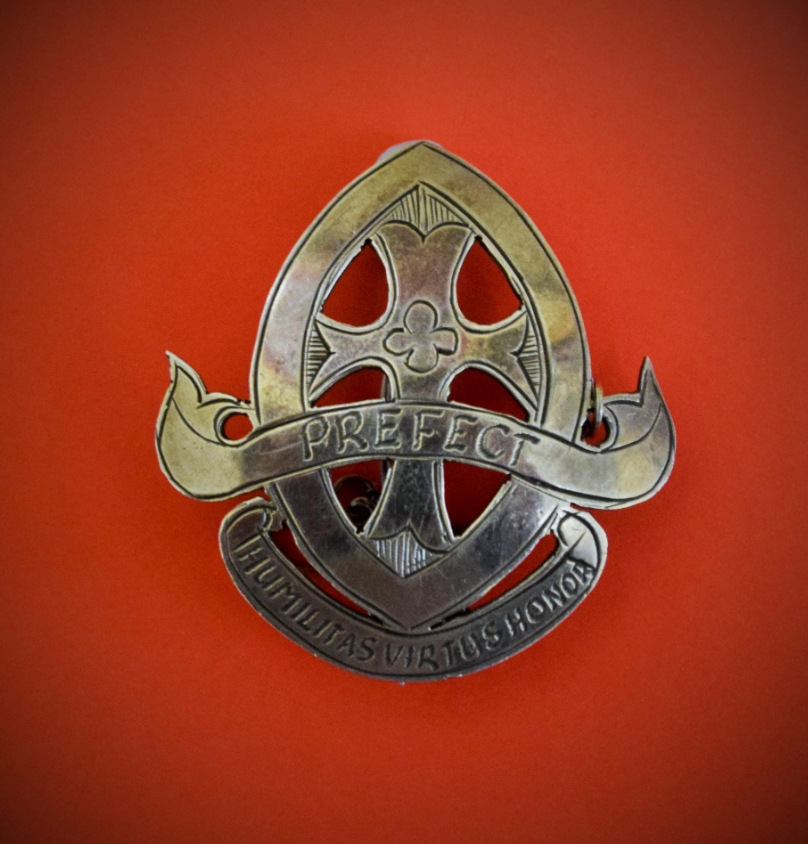
The prefect system began on 15 February 1912, when Dean Kite presented badges to the prefects and class orderlies. The prefects “are to be responsible for good behaviour and the general tone of the school and that anything detrimental to and inconsistent with the tone of the school is to be checked.”
Each prefect was responsible for a class and its orderly who answered to her. Prefects lined the school up for assembly and dismissed them after prayers. They were responsible for order in the passages and in the playground and for stopping any unfairness. There were four house prefects responsible for the boarders. Prefects met with Sister Dora Beatrice CSC each week.
1913
In 1913, The Chapel, with its ceiling of polished wood and lined chancel, was planned by Sister Phyllis to replace the old chapel that had been outgrown. The Old Girls gave the font in 1943 to mark 25 years of the Sisters’ work. Extensions were carried out in 1958, made possible by the legacy from Archdeacon Whitington in memory of his wife and children.
1916
Tremayne Purchased
There was rejoicing at the purchase of Tremayne, the house on the large block next to Stephenville. Purchased as a Sister’s House in 1916, by 1917 it included three classrooms and a kitchen at the back. Tremayne provided much needed space for classrooms for Forms IIIa, IIIb and IVb; accommodation for mistresses who had been staying away from the school due to the lack of rooms; and, much to the joy of the boarders, a large garden. It also had a sunny verandah where lessons were taught and girls placed several feet apart, during the influenza epidemic of 1919. At the back of the house was Miss Allen’s kitchen, a mulberry tree and a magpie that made chasing tennis balls or picking the fruit a hazard.
1917
Lady Barron was an occasional welcome visitor to the School. She donated a gold medal, to be held for a year by the most industrious girl, as voted by the Sisters and staff. The first winner was Esther Ellison-Macartney. In 1917, Lady Barron gave a board, carved by Nora Payne, on which the winners’ names were inscribed annually. This tradition continues, with the medal awarded each year at Speech Night. The board has been added to and is in Linmor Hall.
1919
House System Introduced
In 1919, the School was divided into three Houses, with Sister Phyllis’ permission.
The boarders formed School House with Sister as their President and Miss Sharland as House Mistress. Half the day girls belonged to Dundas House (named in appreciation of Dean Dundas) and the remainder formed Montgomery House (in honour of Bishop Montgomery). Sister was also their President.
When the girls returned on Monday 6 October, lists were up in the lobbies stating which girls were in each House, and each had a House Captain, a Tennis Captain and colours.
There were competitions in lessons as well as in tennis, cricket, athletics, baseball and rounders.
The boarders formed School House with Sister as their President and Miss Sharland as House Mistress. Half the day girls belonged to Dundas House (named in appreciation of Dean Dundas) and the remainder formed Montgomery House (in honour of Bishop Montgomery). Sister was also their President.
When the girls returned on Monday 6 October, lists were up in the lobbies stating which girls were in each House, and each had a House Captain, a Tennis Captain and colours.
There were competitions in lessons as well as in tennis, cricket, athletics, baseball and rounders.
1920
In 1920 the lyrics of the School Song were written by Reverend JW Bethune. The music was composed by James Scott-Power, a music teacher, singing master and significant contributor to early musical life at Collegiate.
1929
The Collegiate Old Girls’ Association was first founded as a club in 1899 and later incorporated as an Association in 1929. On December 15 1927, several old scholars met and resolved to form an Association, to be called The Collegiate Old Girls’ Association. The object was “to further the interests of the School and keep old scholars in closer contact with the School and with each other.” The Constitution was drawn up on 14 February 1928 and the following branches formed: Literary, Chapel, Reunion, Magazine, Annual Fair, Playing Fields, Tennis, Basketball, Swimming and Life-Saving, Musical, Dramatic and Social.
1931
New Tremayne Opened
When the Sisters had to abandon their plan to move the School to their Sandy Bay site it was decided to increase the facilities on the present campus by building modern classrooms and accommodation for boarders where Tremayne stood; so down it came. On September 19 1931, after a chapel service and a procession led by cross, banner and choir, the foundation stone of the new building was laid by Bishop Hay. Eight months later, new Tremayne, designed by Sister Jean and built at a cost of 6 500 pounds, was opened by the Bishop. It housed six new classrooms (including two science laboratories), cloak rooms, a reception area and boarding facilities. Steps led to the new reception area of the School; Sister’s office was on the left of the entrance and stairs to the boarding house were on the right.
1934
Sister Persis CSC was Principal from 1934 – 1935. She was born in Australia and graduated from University with a BA and teaching qualifications. She came to Collegiate after a long term at St Michael’s, Melbourne and would have been pleased to greet the contingent of Melbourne girls when they visited for tennis matches and friendship.
1936
Sister Karina CSC was Principal from 1936 – 1944. She strove to strengthen academic success at Collegiate. The curriculum was reorganised to allow concentration on either Latin and Mathematics or Science and Art. The Chemistry laboratory was upgraded during her reign and Cooking and Commerce were both removed from the general curriculum and taken as electives.
1942
Celebrating 50 years
1942 Although elaborate plans were made, the hard realities of a war-time Jubilee meant that the 50 year celebration was marked by the relatively modest re-roofing of the Chapel, repairing the floor of the Assembly Hall, painting the entrance to the assembly hall, improvement to the telephone passage and a new cover for the incinerator. The School was growing and had made it’s mark in Tasmania.
1945
Sister Helena CSC was Principal from 1945-1950. Whilst Sister Phyllis had been bold in her plans for the School, Sister Helena was more cautious, resulting in this being a decade of carefulness. The war years were uncertain times and she was determined to protect the School. Sister Helena called on girls to see life as a vocation, either to motherhood or to a religious life. She maintained that the difference in attending Collegiate was “an attitude that puts Christ at the very centre of the life of the School.”
1946
Gladwyn was a Collegiate and Hutchins preparatory school at St Peter’s Hall, Sandy Bay. Classes went to Form (Year) III and both academic and sports prizes were awarded annually. In 1946, the numbers had grown to over 60 so Hutchins opened its own Prep and the Collegiate Sisters took over the School. When Gladwyn closed and all pupils were on the Macquarie Street site, a Gladwyn Prize was awarded at every Speech Night until 1961 when the last Gladwyn student left the School. The remainder of the funds invested for Gladwyn prizes were used for a bell in memory of Margaret Burgess, a past Gladwyn pupil, who passed away suddenly just two days before she was due to leave School. This memorial Chapel Bell still hangs in the courtyard near the door to the Chapel.
1951
Name changed to St Michael's Collegiate School
In her Sister’s letter of December 1951, Sister Gabrielle wrote about the statue of St. Michael pictured on the front of the Magazine. The Rev. Mother had included St Michael’s in the name of the School and had sent the statue for the chapel. This was met with some resistance from Old Girls whose annual service was on St Matthew’s Day, but everyone soon became used to it. It is now hard to imagine important School events without the resounding St Michael’s hymn being sung.
1953
Sister Dorothea was Principal from 1953 – 1955. Her regime has been described as gentle and she was very much loved by the girls, particularly the Boarders. She was elected as the 5th Mother of the Order in 1962 and held that position for 14 years. In 1963 she returned to visit Collegiate, and also Sisters’ schools in Melbourne, Adelaide and Perth. At Collegiate she gave a long address to the girls about their lives in the changing world. Sister Dorothea introduced more democracy into the way the Order was run, and initiated new clothing for the Sisters – no more traditional black habit.
1955
In November of 1955 Perulia, at 103 Davey Street, was purchased and used for new courses including Domestic Science, Typing, Book Keeping, Shorthand and Business Principles.
1956
Sister Jessica was Principal from 1956-1965 and was a strong force at the helm the School. She oversaw a number of building developments, and inaugurated the building schemes for the Music and Home Arts departments and a modern Science block. Sister Jessica was a wise counsellor and firm friend to many. She left Collegiate in 1965 with the advice that girls should become bricks, “forming a strong wall within the School, standing for what is right and honourable.”
1958
In 1958, following the completion of extensions, the school chapel was rededicated to St Michael.
1959
Head Prefect Charlotte Bethune is pictured ready to lead the girls’ procession to the opening of the new Hall, (now named Linmor Hall), 1959. The Collegiate Pool and Chambers now occupy the site of the tennis court and old hall seen in the background. Note the name of the School and the old motto, Humilitas, Virtus, Probitas, on the banner.
1961
Kilburn House
In 1961 Kilburn was inaugurated because it was deemed the increased numbers of students (around 460) necessitated a fourth House. The foundation members were a number of new girls with a certain number from each of the three old Houses. Kilburn, in North West London, is where the Community of the Sisters of the Church was founded by Mother Emily and it was from there that the pioneer Sisters, including Collegiate’s founding Sisters Hannah and Phyllis, left for Australia in 1892.
1962
Anglesea
Yatalunga in Angelsea Street was purchased in 1962. It was closely followed in 1963 by the purchase of the surrounding property. Collegiate now had its own sports grounds.
1965
Sister Elizabeth May CSC was Principal from 1966-1968, following her term as Headmistress from 1965 – 1966. In 1966, Collegiate followed its sister schools by appointing its first lay Headmistress, Miss Lilian Powell. Sister Elizabeth May emphasised the role extracurricular activities could play in the development of the whole person.
1966
Cananore was purchased in 1966 and converted into a music block.
1967
In 1967, Two new houses adjoining Perulia were purchased and all three were subsequently demolished for a new Art, Craft, and Commerce building (later Gladwyn). New Science labs were also completed (later Chambers).
1971
The Centenary of the Sisters of the Church
The Centenary of the Sisters of the Church was celebrated in 1971, with a Concelebrated Sung Eucharist in a packed St David’s Cathedral. It began with a procession of Clergy, Choir, Matric girls and ten sisters from Collegiate, Melbourne and Sydney.
1972
One of the final contributions of the Sisters was the completion of a new library and matriculation centre built on the site of the old Junior School on 27 May 1972. It was named the Emily Ayckbowm Library and Building in honour of Mother Emily.
1973
Justice Chambers named Chairman of the Board
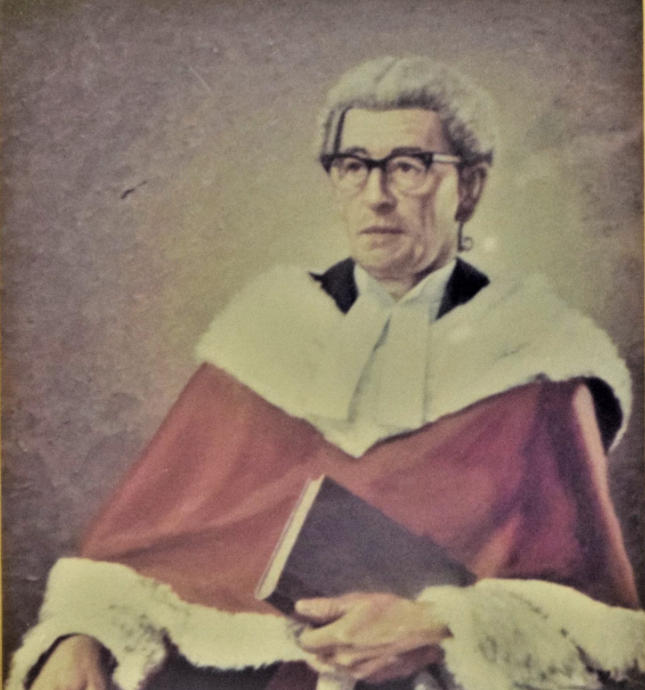
The Honourable Mr Justice D M Chambers QC, Llb was the Chairman of the Inaugural Board of Management of the School. On August 20 1973, in the Matric Common room, Collegiate’s newly formed Board of Management met for the first time.
Bishop Davies introduced everyone and spoke about a proposed constitution and the handover conditions. Mr Justice Chambers took the chair and proceeded work through the applications for Principal. On the 23rd, after interviews on the 22nd,
Mrs Helen Woodhouse was selected as the first lay Principal of the School. One imagines that the Sisters would have been gratified with the appointment of Justice Chambers: he held many positions in the community including that of Church Advocate and later Chancellor of the Anglican Diocese of Tasmania, and, there had been members of his family associated with the School as students and teachers every year from 1893 and his daughters were students.
Bishop Davies introduced everyone and spoke about a proposed constitution and the handover conditions. Mr Justice Chambers took the chair and proceeded work through the applications for Principal. On the 23rd, after interviews on the 22nd,
Mrs Helen Woodhouse was selected as the first lay Principal of the School. One imagines that the Sisters would have been gratified with the appointment of Justice Chambers: he held many positions in the community including that of Church Advocate and later Chancellor of the Anglican Diocese of Tasmania, and, there had been members of his family associated with the School as students and teachers every year from 1893 and his daughters were students.
1974
Mrs Woodhouse was Principal from 1974 – 1979. She instigated a period of rapid change at Collegiate and emphasized the importance of cultural life at the School – Music, Drama, Art and Craft were all significant parts of the curriculum. All girls took Science, English, Mathematics, History, Geography and Religious Knowledge until the end of Form IV. Modern Greek was added to the traditional French and German. Collegiate was removed from the Schools Board certification to enable a more extended curriculum.
1976
Mrs Gelber was Deputy Principal from 1976 – 1981. She ensured the smooth running of the School after Mrs Woodhouse left and again after Miss Long’s resignation, when she became Acting Principal. Mrs Gelber returned more emphasis to the basics of the curriculum, English and Mathematics. She also oversaw alterations to the Boarding House and transformed the Sisters’ House into a Primary School, complete with its own library and grounds. HSC classes numbered a record 80 girls and cooperation with Hutchins was developed further.
1980
Miss Long was Principal from 1980 – 1981. In her Speech Night address she spoke of the advantages of a single-sex education for girls. She also spoke of the increasing cooperation with Hutchins in order to expand the subjects available to HSC students on both campuses. Collegiate offered combined classes in Social Psychology, Art, Speech and Drama and Ancient History. A second bus was purchased to facilitate movement between both schools, sorts grounds and excursions.
1983
Mr Dan McNeill was commissioned as the new School Principal in July 1983 and subsequently served a 20-year period at Collegiate. During this time alterations, innovations and improvements to the School fabric and curriculum were made; of note was the introduction of laptops in 1992. His mantra was that Collegiate had to nurture all kinds of students, whether their talents were in the academic classroom on a sports ground, or a concert platform.
1984
Extensive Redevelopments
The mid eighties were a period of extensive re development. In 1984 Speech and Drama studios were built in an area under the Emily building, new Chemistry labs were constructed under Chambers and an activities room was developed on the ground floor of Gladwyn. The landscaping of the central and Tremayne courtyards was also complete. In 1985 Gibson Hall was opened for Kindergarten and Transition. In 1986 Broughton was purchased and converted to English classrooms. In 1987 the Coach House behind Broughton was purchased and converted for pottery.
Throughout 1985 and into early 1986 extensive restoration and maintenance was completed at Stephenville.
Jerusalem was rebuilt and officially opened on Founders’ Day in 1986.
The mid eighties were a period of extensive re development. In 1984 Speech and Drama studios were built in an area under the Emily building, new Chemistry labs were constructed under Chambers and an activities room was developed on the ground floor of Gladwyn. The landscaping of the central and Tremayne courtyards was also complete. In 1985 Gibson Hall was opened for Kindergarten and Transition. In 1986 Broughton was purchased and converted to English classrooms. In 1987 the Coach House behind Broughton was purchased and converted for pottery.
Throughout 1985 and into early 1986 extensive restoration and maintenance was completed at Stephenville.
Jerusalem was rebuilt and officially opened on Founders’ Day in 1986.
1988
Ham Common
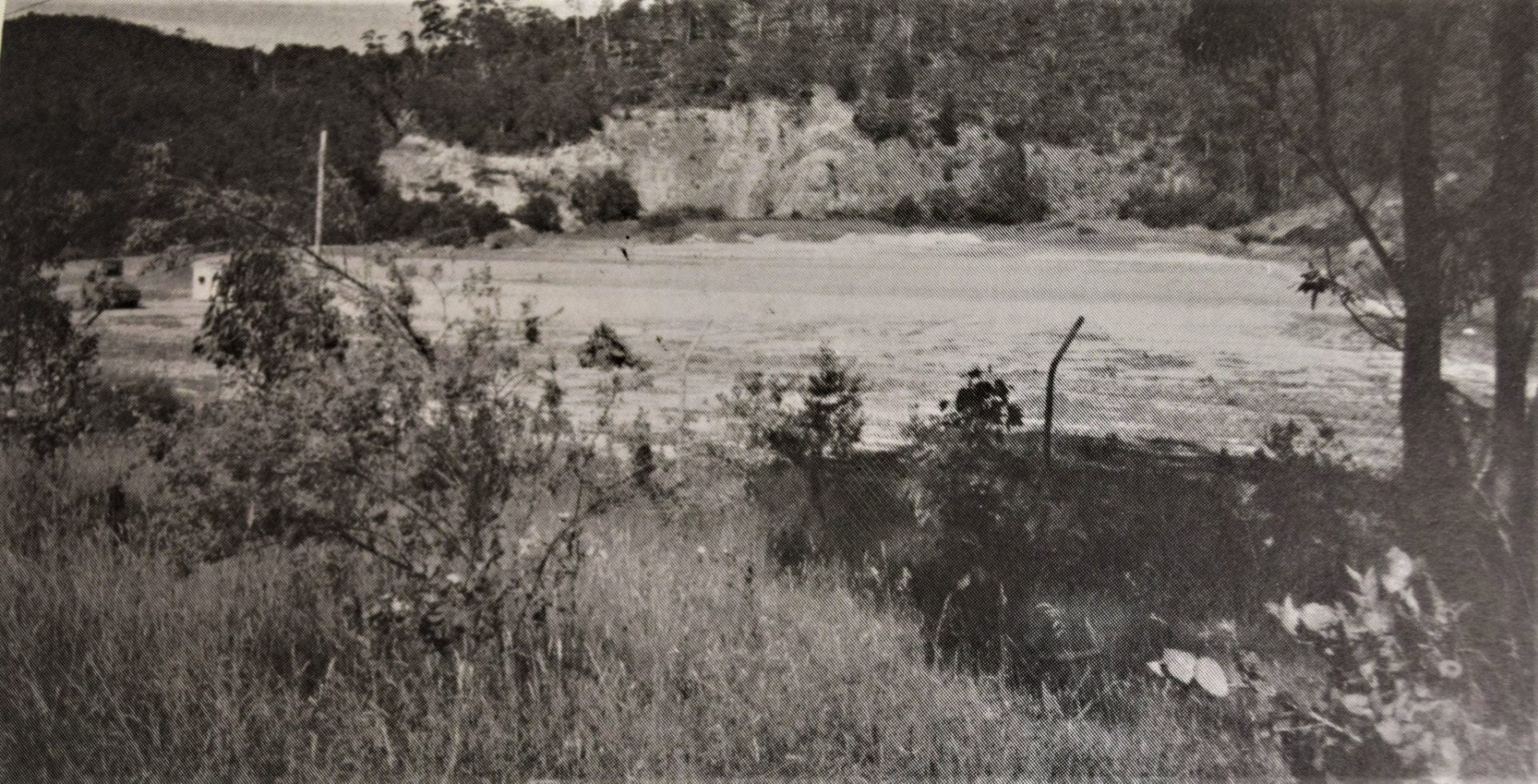
In May 1988 land was leased in Proctors Road to provide playing fields. This site, to be known as Ham Common, was later levelled and filled in 1989 to accommodate a 400m track or two hockey fields. Ham Common was officially opened in 1991, the Old Girls’ Pavillion opened in 1992 and 1995 saw the development of the tennis courts.
1989
1989
The acquisition of the Army Building in Molle Street was a great development for the School. It had originally been St Joseph’s Roman Catholic School. It became Founder’s Hall and initially provided classrooms for Years 4, 5 and 6. It was officially opened on 29 September 1989.
1990
Anglesea development
In the early nineties, further property was acquired at Angelsea. In 1990 Waikare was acquired, followed by Tangara and Manganinnie in 1992.
1992
The Centenary
1992 marked Collegiate’s Centenary. The occasion was marked with a grand parade in the streets of Hobart and numerous school events. The book ‘Collegiate, Reflections of a Century‘ was released by author Geoffrey Stephens.
1998
Performing Arts Centre
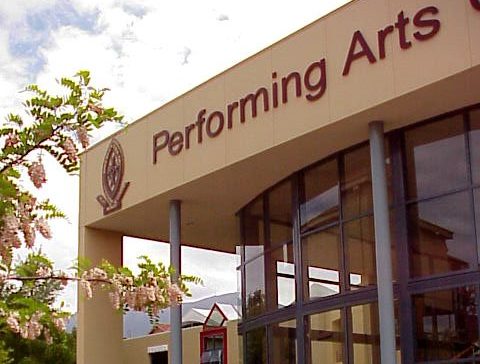
Collegiate’s Performing Arts Centre (PAC) was opened on March 21 1998 by Alison Whyte, Old Girl and actress, and Bishop Philip. The facility includes a 260 seat theatre, dressing rooms, private practice rooms, dance studio and extensive performance and gallery spaces.
1999
1999 saw the removal of gloves and winter hats from the uniform. The brown and beige uniform was updated to the red, white and blue.
2003
Mrs Robyn Kronenberg commenced in June 2003 and during her eleven and a half years as Principal, major capital works were undertaken on the three campuses and the curriculum benefited from expansion and accreditation with the Council of International Schools. Mrs Kronenberg enhanced the quality of teaching, which included increases in professional learning for all staff.
2004
Since 2004, Collegiate’s newsletter has been called ‘Ancanthe’. Ancanthe was the name given to the museum and garden established near Hobart by Lady Jane Franklin in 1842. It symbolises a woman’s commitment to education and cultural endeavor.
2006
Early Learning Centre
Collegiate established a dedicated Early Learning Centre in 2006 at both the Junior School at Anglesea and and second site at Kingston. The Kingston centre was later closed in 2014.
2008
July 2008 marked the completion of Founder’s Hall for the Middle School.
2010
Extensive building works resulted in The Emily Centre being opened in 2010. This contemporary student centre includes Cafe 1892 and the Jane Sargison Library.
2015
Mrs Judith Tudball commenced as Principal in January 2015. During her tenure, Judith guided a whole of school curriculum review and worked closely with the Board to begin implementing a future-oriented strategic design. Advanced planning for an outstanding new STEM facility and the establishment of the School’s first Office of Philanthropy were key achievements during Judith’s term, together with the launch of a new website and the myCollegiate Parent Portal. Judith led the School through a joyous and highly successful 125th celebration year.
2017
125th Anniversary
Collegiate celebrated its 125th Anniversary throughout 2017. A spectacular 125th Anniversary Celebration Concert was held at Federation Concert Hall in Hobart on Saturday 2 September and attended by over 650 members of the Collegiate community. The highlight of the evening was the world premiere of the School’s special commissioned work by renowned Australian choral composer, Mr Paul Jarman. The piece ‘Set for Life’ was performed by massed Collegiate choirs and captured the true essence of the School.
2018
Dr Adam Forsyth commenced as Principal in 2018 and brings impressive leadership experience across the teaching and learning, pastoral care, boarding, staff and community sectors. His previous roles include Deputy Headmaster at The Hutchins School; Head of Senior School at St Peters Lutheran College in Brisbane; Director of Boarding and Senior Housemaster, and Dean of Studies at Brisbane Boys’ College; and Deputy Director of the Summer School at Concord College in Shropshire, England. Dr Forsyth is a Lay Canon of St. David’s Cathedral in Hobart.
2020
Covid 19 Pandemic Response
Collegiate successfully navigated our way through the pandemic by our seamless transition to online learning. The class of 2020 kept students spirts high with their inspiring leadership.
2021
A second Kindergarten opened along with a reimagined Art and Library space in Yatalunga, referred to as the Imaginarium
2024
Dr Julie Wilson Reynolds
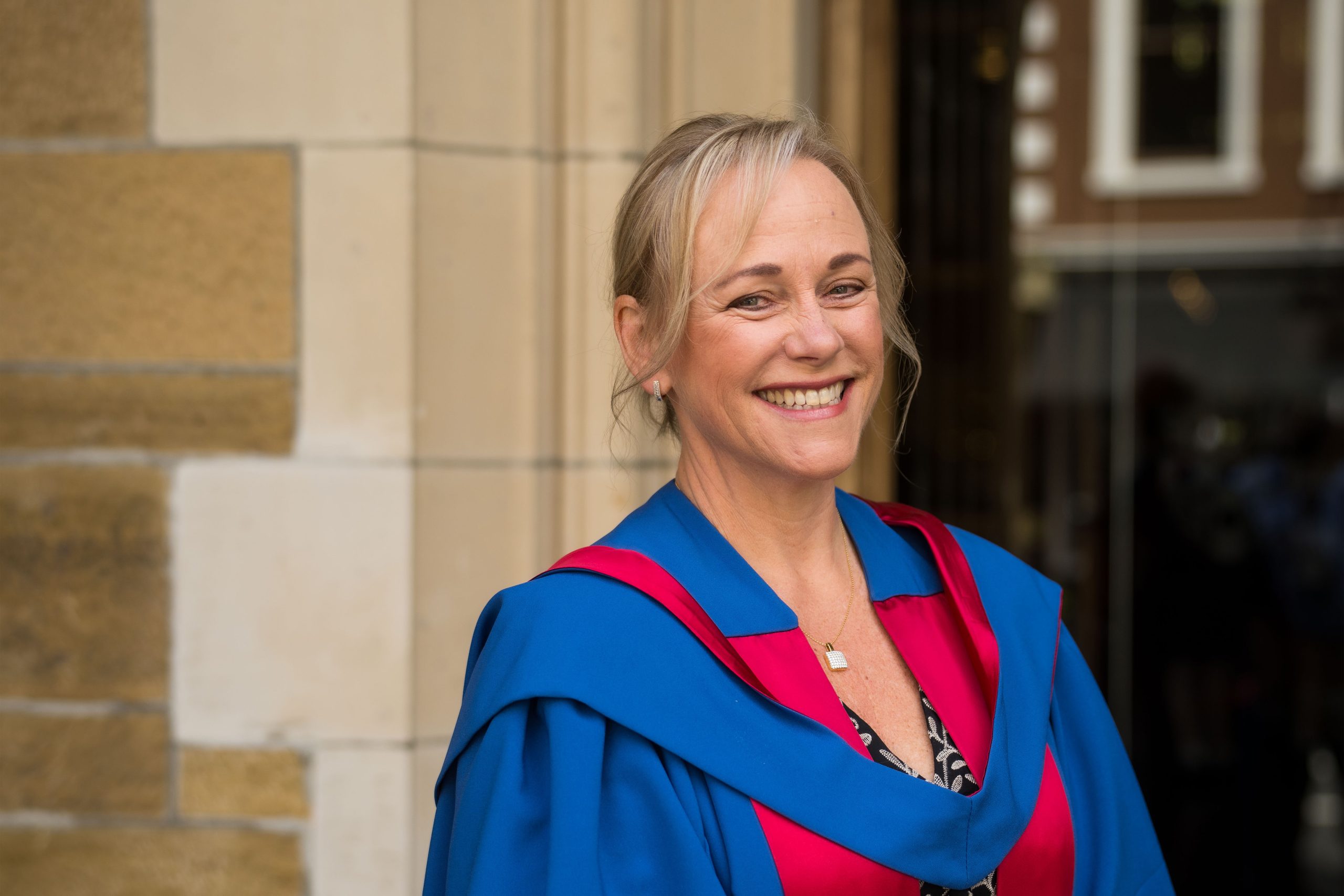
Dr Julie Wilson Reynolds joins St Michael’s Collegiate as our 18th Principal in 2024, bringing a strong background in school leadership and a passion for girls’ education. She is dedicated to understanding and supporting the aspirations of students and the broader school community. Dr Julie Wilson Reynolds holds a PhD in Creativity in Leadership, as well as a Master of Education, Master of Arts, Bachelor/Diploma of Education, and a Graduate Certificate in Theological Studies. Her extensive experience includes previous roles such as Deputy Head Academic Care at Barker College, Principal of St Hilda’s School, Deputy Headmistress and Head of Senior School at Abbotsleigh, and Principal of Cedars Christian College.